
Boost Your Handyman Skills with Expert Tips: Handyman Tips UK

Improving your handyman skills saves time and money. It also gives you confidence to handle home repairs and improvements. I share practical advice to help you tackle common tasks around your home. These tips focus on clear steps and useful tools. Whether you fix a leaking tap or install shelves, you will find guidance here to boost your skills.
Essential Handyman Tips UK for Home Repairs
Start with the basics. Knowing the right tools and how to use them is key. Keep a toolkit with essentials like a hammer, screwdrivers, pliers, a spirit level, and a tape measure. These tools cover most small repairs.
When fixing things, always turn off the power or water supply if needed. Safety comes first. For example, before changing a light switch, switch off the circuit breaker. For plumbing, close the main water valve to avoid leaks.
Use the right materials. For wall repairs, use filler or plaster suitable for your wall type. For woodwork, choose the correct screws or nails. Using the wrong materials can cause damage or make repairs last less.
Practice measuring twice and cutting once. This reduces waste and errors. When hanging pictures or shelves, use a spirit level to keep things straight. Small details like this make a big difference in the final result.

How to Improve Your Handyman Skills UK
Learning new skills takes time and practice. Start with simple projects and build up. For example, begin by fixing a loose door handle before moving to more complex tasks like installing a new light fixture.
Watch tutorials online or read guides from trusted sources. They show step-by-step instructions and common mistakes to avoid. I recommend following a handyman blog for regular tips and updates.
Join local workshops or community classes if available. Hands-on experience with an expert nearby helps you learn faster. You can ask questions and get immediate feedback.
Keep a notebook of your projects. Write down what worked well and what didn’t. This record helps you improve and remember important details for future repairs.
Tools and Materials Every Homeowner Should Know
Having the right tools is half the job done. Here are some must-haves:
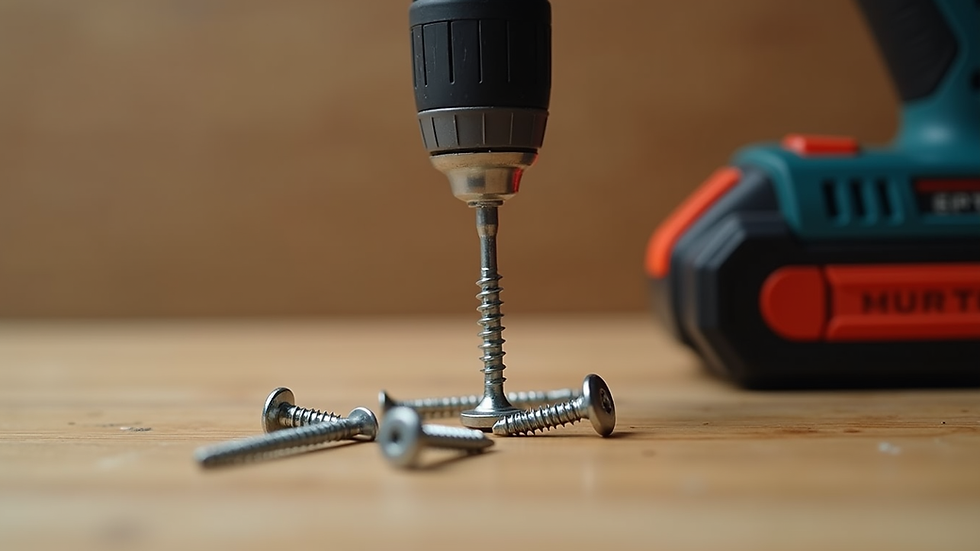
Cordless drill: Speeds up screwing and drilling tasks.
Adjustable wrench: Useful for plumbing and tightening bolts.
Utility knife: For cutting drywall, carpet, or packaging.
Spirit level: Ensures your work is straight and even.
Stud finder: Finds wall studs for secure mounting.
Choose quality tools that last. Cheap tools can break or cause injury. Also, keep your tools clean and store them properly to extend their life.
For materials, stock up on:
Wood filler and wall filler
Screws and nails in various sizes
Sandpaper for smoothing surfaces
Paint and brushes for touch-ups
Silicone sealant for waterproofing
Knowing when and how to use these materials improves your repair quality.
Step-by-Step Guide to Common Home Repairs
Here are clear steps for some frequent repairs:
Fixing a Leaking Tap
Turn off the water supply.
Remove the tap handle using a screwdriver.
Replace the washer or cartridge inside.
Reassemble the tap and turn water back on.
Check for leaks.
Hanging a Shelf
Use a stud finder to locate wall studs.
Mark the shelf position with a pencil.
Drill pilot holes into the studs.
Screw brackets securely.
Place the shelf on brackets and check level.
Patching a Hole in the Wall
Clean the hole edges.
Apply filler with a putty knife.
Let it dry completely.
Sand smooth.
Paint to match the wall.
These tasks build your confidence and reduce the need to call professionals for small jobs.
Tips for Staying Safe and Efficient
Safety is crucial. Always wear protective gear like gloves and goggles when needed. Use a dust mask when sanding or working with chemicals.
Work in a well-lit area. Good lighting helps you see details and avoid mistakes. Keep your workspace tidy to prevent accidents.
Plan your work before starting. Gather all tools and materials. Read instructions carefully. Rushing leads to errors and injuries.
If a task feels beyond your skill level, do not hesitate to seek professional help. Knowing your limits is part of being a good handyman.
Building Confidence with Every Project
Each repair you complete adds to your experience. Start small and gradually take on bigger challenges. Celebrate your successes and learn from mistakes.
Keep learning. The more you know, the easier repairs become. Use resources like the handyman blog to stay updated on new techniques and tools.
Remember, improving your handyman skills makes your home safer and more comfortable. It also saves money and reduces stress when repairs arise.
Boost your skills step by step. With patience and practice, you become the reliable handyman your home needs.
This guide helps you develop practical skills for home repairs and improvements. Use these expert tips to handle tasks confidently and safely. Your home will benefit from your growing expertise.


Comments